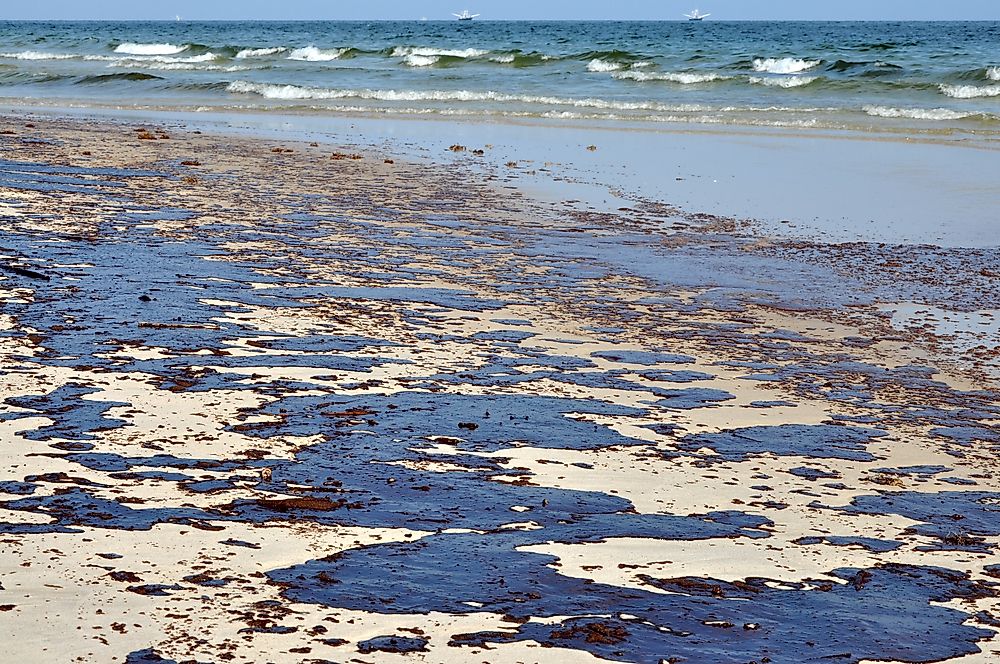
Oil spills aren’t just surface-level disasters; they disrupt entire ecosystems, impacting wildlife, water quality and local economies. In the Baltic Sea—one of the world’s most vulnerable marine environments—the consequences can be particularly severe and long-lasting.
A Fragile Ecosystem Under Threat
The Baltic Sea is a semi-enclosed body of water with limited water exchange with the open ocean. This means that pollutants, including oil, remain in the system far longer than in other seas. The cold temperatures slow down natural degradation processes, allowing toxic compounds to persist for years or even decades.
Marine life in the Baltic—including seals, seabirds, and fish populations like herring and cod—face immediate and long-term threats from oil contamination. Oil coats the feathers of birds, destroying their insulation and buoyancy. Marine mammals suffer from ingestion and skin contact, leading to organ damage and compromised immune systems.
The Economic Ripple Effect
Coastal communities around the Baltic depend heavily on fishing, tourism, and maritime industries. A significant oil spill can devastate local economies for years. Fisheries may be forced to close, beaches become unusable, and the region’s reputation as a pristine destination suffers lasting damage.
Why Unregulated Crude Oil Shipping Is Extremely Dangerous
One of the most pressing concerns in the Baltic Sea today is the rise of unregulated crude oil shipping. Vessels operating outside established safety frameworks pose enormous risks:
- Aging and poorly maintained ships: Many unregulated tankers are old vessels that lack modern safety equipment, double hulls, and proper maintenance schedules. This dramatically increases the likelihood of mechanical failures, hull breaches, and catastrophic spills.
- Lack of insurance and accountability: When accidents occur, there is often no adequate insurance coverage to fund cleanup operations or compensate affected communities. The environmental and economic burden falls on coastal states and their citizens.
- Evasion of safety inspections: Regulated shipping undergoes rigorous port state controls and inspections. Unregulated vessels deliberately avoid these checks, meaning dangerous deficiencies go undetected until disaster strikes.
- Inadequate crew training: Proper handling of crude oil cargo requires specialized training. Ships operating outside regulatory oversight may employ undertrained crews, increasing the risk of human error.
- No emergency response coordination: Regulated shipping is integrated into international emergency response networks. Unregulated vessels may lack proper communication equipment, fail to report incidents, or be unable to coordinate with rescue services.
The Path Forward
Protecting the Baltic Sea requires stronger international cooperation, enhanced monitoring of vessel traffic, and stricter enforcement against ships that operate outside safety regulations. The stakes are too high—for the environment, for wildlife, and for the millions of people who depend on this shared sea—to allow preventable disasters to occur.
The Baltic Sea deserves protection. Awareness is the first step toward action.
Leave a Reply